
Category: Short stories

Concert

Concert

Short story

by John Panza

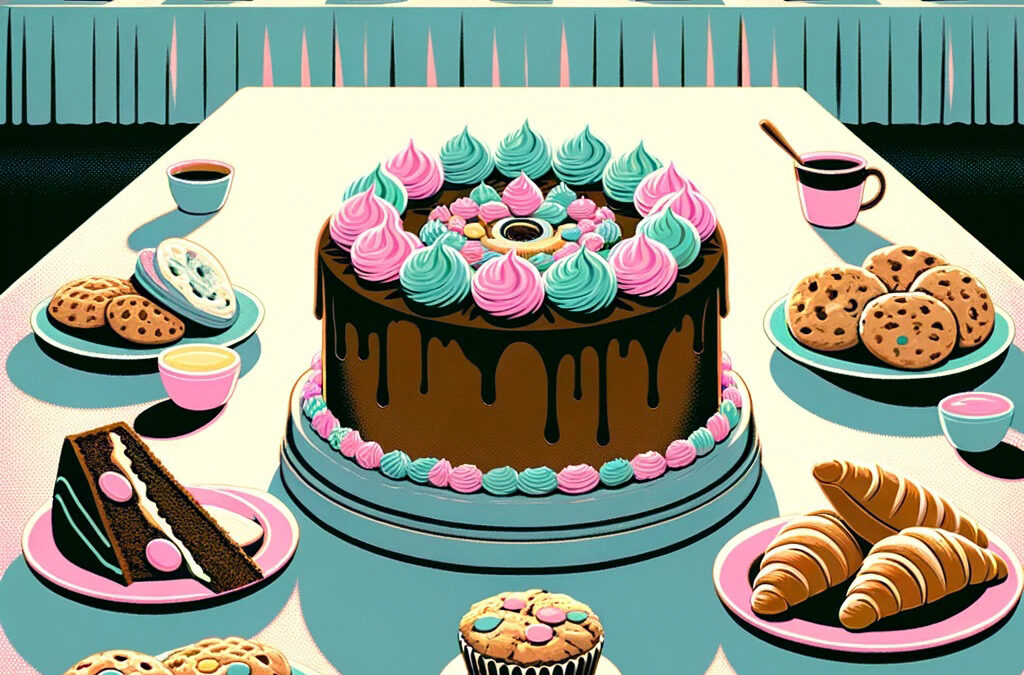
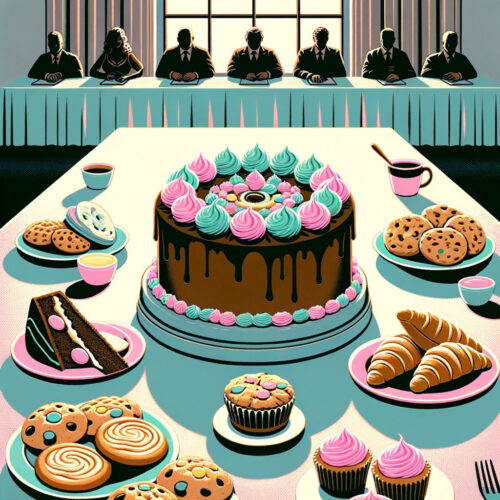
The old couple next to us fell asleep three minutes into Mahler’s Symphony #6. Is it cruel that I was awaiting with a sick glee the hammer blow that would shock them both, maybe kill them instantly? My wife held my hand, squeezed it gently. She saw me staring at them instead of the conductor. She knew what I was thinking. Her grip hardened. Her dress, my suit, Mahler, this old couple. I’d be lying if I said I wasn’t immensely turned on. ‘Tragic’ is right.

That morning, we headed to the hospital to try again. It had been three years of trying.

Despite outward appearances, she lived with the disappointment weighing on her more heavily than anything she and I lifted each week at the gym. You can look perfect, treat your youthful bodies with care, eat well, drink moderately, work out regularly, but if your loins are imperfect, you’re barren. By extension so is your world.

The ones with families don’t get it. Everyone else just fucked and made kids and then that was it. Or at least that is how they present it when we have dinner with them.

My sister, three years younger than me, who had three kids raw dogging it with three different guys, once piped in after Easter dinner. We sat on the porch overlooking the lake that we’ve been visiting each holiday since we were kids. The Adirondack chairs’ peeling paint reminded me that dad and mom died years ago.

“Are you sure you’re doing it right?”

“I think so. She tells me I am, but–”

“You’re an idiot.”

“–she craves butt stuff like a champ and biologically those tubes aren’t connected.”

“Oh my god. What is wrong with you?”

An egret sailed past and landed on the muddy shore. They will stand patiently for half an hour in one spot if it means they can spear a blue gill for lunch.

“I’m pretty sure that you stole your three from the mall, sis. They don’t look like you or Don or Phil or Robert.”

“Shut up. Always degrading. You know that’s not their names.”

“It’s not?”

“I’m just trying to help.”

“You can help by not asking me if we’re aware of the mechanics of intercourse.”

“I didn’t mean it that way. I meant, are you timing it right?”

“She’s had a thermometer on our nightstand for months. And stockpiles of ovulation kits. She even has me analyze the viscosity of her vaginal–”

“Ok, that’s enough. I’m going inside.”

“Thin is good,” I yelled at her as she fled, her requisite glass of Chardonnay sloshing. “Thick is bad!”

I remember the first night we decided to make a baby. Consciously, actively make a baby. Just me inside her. No barriers, physical or medicinal or emotional. She held my ass tightly as I came, like she was holding me in place to keep it all in. We locked gaze. As my throbs subsided, she buried her tongue in my mouth. I think that was to help get that last little bit out. She’s that good.

“I hope that’s it,” I said, and regretted it immediately.

“Me too,” she said.

It wasn’t. Neither were the next ten, twenty, fifty.

And then here I was. She was in the lobby.

The first three tries we arrived at the clinic together, hand-in-hand. The last two times we drove separately and met in the lobby, each coming from other errands. I tried not to read into it too much. Twenty minutes later, I pathetically finished with my dick in one hand and in the other the sterile plastic cup with a couple millions me-s swimming in it, my name and clinic ID number in handwritten script wrapped around the side. And the current date. The “freshness date” I once joked to her once after I did my own walk of shame down the corridor to the lobby. This hospital system didn’t let her help me generate the sample, although if we did it off-site we could use a condom – no spermicide! — and bring that to the lab in a provided travel cup within twenty minutes. At the time, we lived thirty minutes away. Short of boning in the back seat of the Mazda in the clinic parking lot, we opted again to have me choke a soda in the hospital’s pseudo-boudoir third-floor brothel.

“Be sure to keep it warm afterward. And bring it to the lab tech at the end of the hall.”

“Gotcha, doc. I’m not triple-A anymore. This is the Bigs. Do you clean up spills? Or should I?”

“Good one.”

“I’ll do my best.”

My urologist, tall, strong, near retirement, had the right attitude about this business. He teaches at the local medical college now. Retirement has been good for him from what I’ve heard.

“Nine times out of ten, it’s the guy’s fault,” he told me months ago. “Women take on too much here. Sperm count and motility are the key. Low in either category means no luck. She’s ovulating regularly, almost clockwork. It’s not her fault for sure.”

“She blames herself.”

“She will. Don’t let her.”

“Easier said than done. I’ve told her it’s me.”

“I’ve been married thirty years.”

“Gotcha.”

“Do your best. But know this, if you two aren’t getting pregnant, it’s your fault.”

“Maybe I should call for a relief pitcher.”

He slapped me on the back.

“You’re going to need a closer, son.”

Twenty minutes later I finished. As I rearranged my suit pants, I reminded myself aloud, “Don’t rush or you’ll zip your dick.” I knew that from the first session way back when. We laughed about that when we got back to the car and rushed off to lunch. Rushing to get out of there reminded me of the first time I kissed a girl. Fifth grade. Both of our gut responses were to get away. Not because we didn’t like it. We were just feeling redness creep up from our necks and didn’t want the other to notice. The cup – top screwed tightly – sat on the now familiar rust-colored bedspread. I straightened my tie. Despite its corporate face, massive contemporary art collection, and white walls-ceilings-floors-doors everywhere, the hospital tried to make this space passably comfortable. It was dark, there was a bed, and copious lube and porn mags in the side table. Not good porn. The kind of porn doctors buy in med school, not to jerk off to but to study. All silicone-filled balloon boobs and pseudo-lesbian posturing. A fraction of those doctors disapproved and went on to become plastic surgeons. The rest didn’t. I’m not into porn, but it was something.

concert-squares-animation

I cupped the cup as instructed and, like the layfolk holding the bowl of hosts and carafe of wine, processed down the hallway.

After the first couple times of practically throwing the cup at the tech and fleeing, I decided that making direct eye contact with her was an assertion of autonomy. Or just a way to say to her, “I’m not embarrassed here.” Or, “See? I’m trying.” Minus one time, I’ve had the same tech. She wore that white coat like a boss. I found her on social media once. She had three kids.

“Here you go. Make merry with them.”

“Tell your wife it’ll be–”

“–Ten minutes. Yep. We know.”

“Old pro already.”

“Not by choice.”

That’s a lie. I did this for us both. I just didn’t know at the time if the same applied to my wife. There comes a time after a year or so of failure where you can’t but think her maternal disappointment wedded with her hot-as-lava mating instinct, that I wasn’t turning out to be the caveman she felt could drag her away and close the deal. It was my imagination working on me, I know. She loved me. No, she love-loved me. But consider my sister. It’s not love that makes babies.  

That tech, in her white coat and severe bangs, washed and sorted my sperm, checking for amount and movement, making sure I haven’t just choked up a whole scrum of headless tails whipping each other in a frenzy.

Unlike my seminal act, done in near darkness, alone, and with porn crouching nearby like a letch in the bushes, the insemination was about as clinical as it came. People joke about “the turkey baster method.” That’s so crude. The tube was way thinner than a baster and with this precision piece of medical equipment there was no chance of the slappy-squishy sound of the jellied cranberry as it released from the aluminum can onto the plate. The process was quick but not painless. My poor wife’s legs were perched in stainless stirrups. With more stainless steel, the doctor clamped open the cervix like a hellish pap exam and then worked the straw-like end up each fallopian tube, assuming he is unsure which tube has the released egg waiting for my boys. Then he depressed the syringe and that was it. Consummation was now more likely than the caveman method.  

If my process was humiliating, hers was excruciating. It blew for me; it sucked for her. The doctor left the examination room after telling her to stay put for five minutes. But we knew despite our instinct to flee what we needed to do. I kissed her on the forehead.

“Was it as good for you as it was for me?”

A bead of sweat ran down her forehead and into her eyebrow. “You had porn.”

“All the girls were ugly.”

“This one hurt.”

“I’m sorry.”

“My cervix keeps taking a pounding.”

“I know it’s not from me. I can barely reach.”

“True.”

We went home afterward and rested. Despite the cramping, it was the most sleep she had in three days. The anticipation is always sleeplessness and saving me up so the quality is higher. Later that day we headed to the orchestra. We’ve been getting out more these days, trying to distract ourselves, I think. It’s just nice not to be taking temps and testing fluid viscosity.

The hammer blow struck. Beginning in the woodwinds, a wave of heads came to attention as the soundwave rushed through the orchestra, then the dress circle, on to the mezzanine, and finally the nosebleeds. The old couple didn’t budge. She snored lightly. Her head rested on his shoulder. A lock of her gray hair curled under his nose like a mustache.

About the Author

John Panza lives in Cleveland, Ohio, USA, on the shore of Lake Erie. He is a professor, musician, music producer, and president of a music foundation. He also sleeps sometimes. Find him on IG @jp1lung.
Related

What the Mirror Wants You to Know

What the Mirror Wants You to Know

Flash Fiction

by Beth Sherman

That stepmothers have an impossible job – they can never replace an angel-wing parent. That her husband – a woodcutter or a hunter, does it even matter? – was a louse who never paid her any attention. That her pointy green chin has more character than Snow White’s doll cheeks. Each age spot on her hands a perfect kiss. That her eyes are two nightingales lost in the woods. That she smells of cinnamon and honeysuckle. That the curve of her throat is the prettiest hook. That the thunderclap of jealousy could never be boring. That she only asks Who’s the Fairest of Them All? because every other question is a dandelion in the wind – weed-useless, scattered. That Jonagold apples, flushed red, thin-skinned, are sweet, yet tart. That she longed to save her stepdaughter from a life of drudgery with seven tiny men who forced the girl to cook and clean for them all day long, to save her from becoming lonely, despised, proud. That she always knew a Prince who only loves a pretty face is someone who won’t hesitate to stray. That she is a Queen without scepter or throne. That at Snow White’s wedding to the king’s son they made her wear slippers dipped in fire, and she danced in the flaming shoes until she turned to ashes. That not every story has a moral. That if she ever took him off the wall, he’d like to go to Venice with her and ride in a glass-bottomed boat, kissing her reflection in moonlit canals. That love is a fairy tale told by a fool. That he too contains poison, in the form of mercury. That he would have danced with her in the dove white ballroom, her fingers caressing his silver frame, twirling, spinning to violins until he slipped from her grasp. That shards splinter into stars, into jagged bits of rain.  

Mirror Illustration
About the Author

Beth Sherman has an MFA in creative writing from Queens College, where she teaches in the English department. Her stories have been published in Portland Review, Blue Mountain Review, Tangled Locks Journal, 100 Word Story, Fictive Dream, Flash Boulevard, Sou’wester and elsewhere. Her prose will be featured in The Best Microfictions 2024 Anthology and she’s also a Pushcart and a multiple Best of the Net nominee.

Related

The Ultra Cutthroat Hand Pie Contest, Junior Edition

The Ultra Cutthroat Hand Pie Contest, Junior Edition

Short story

by Beth Sherman

Maya has memorized the rules: No published recipes, no talking, no crying, no mugging for the cameras. She surveys her ingredients with cautious optimism: pastry dough, cake mix, Oreo cookie pieces, chocolate chips, marshmallows, Nutella. Her Death by Chocolate empanada should be creative, but not showy. Brash, but not overpowering. Fun, but not too jokey. In a word, delisiosa.

Before the Journey, when they could scrape together enough money, she used to love making empanadas for everyone in her family. Now the hand pies frighten her. One misstep – if the filling is too hot or the crust falls apart – and everything ends for Papi, Mami, Javier and Nelsy.  If she wins, her entire family is awarded American citizenship. Losers are shipped back to wherever they came from, in her case, Venezuela, when they’ll either get locked up in La Pinta for life or if the quotas are filled, executed on the spot the moment they step foot on the tarmac.   

There are 11 other contestants, separated by tall metal dividers built to resemble the Wall along the border  – a 2,000 mile long, 30-foot-high grey steel monster with pointy spikes on top. She’d like to be able to look over the competition. Are they girls? Boys? Older than 11? She glances at the judges table – white lady; white, older man in a tux; white, younger man with a British accent. He’s the sarcastic one. She knows to watch out for him. 

She wonders what Nelsy is doing right now. Probably staring out the window of the Detention Center at the empty yard where the Punishment Tree is. All the cells face that tree. If Maya were there, she’d tell Nelsy to step away from the window and they could whisper make-believe stories to each other while Mami paces and Papi prays. Javier hasn’t said a word since that night in the Darien Gap.  

Bright toned, upbeat music plays. The show’s theme song. Maya understands some of the English words: fun, knife, crust, death. The lights are too bright. Maya wipes her upper lip with the sleeve of her white chef’s smock. If even one drop of perspiration lands on her prep area, she’s heard that a trap door will open beneath her station and she’ll tumble down and never see her family again. She stretches her gums over her teeth, forcing a smile. 

Just as suddenly as it began, the music stops. The judges introduce each contestant, talking quickly. Focus, Maya tells herself. Don’t blow this. She wills her hands not to shake as she pours, measures, mixes, chops. Maya’s hands don’t belong to her anymore. They’re stiff as claws, gripping the metal spoon awkwardly. Chocolate bits slide in and out of focus until she bites down hard on her lower lip and pain makes the pieces snap into place, stirring, stirring, pinching the dough over the filling the way her abuela used to pinch her cheeks before abuela was killed. 

Moving carefully, she puts her empanada on the middle shelf of her oven, a pink miniature toy stove. Sets the timer. Thirty minutes. That’s how long it will take to know whether she’s pulled it off. In the meantime, there are three more commercial breaks and the judges tell jokes, entertaining the studio audience. Maya lets herself remember floating in the Caribbean and counting clouds, clean sheets, the terrier she left behind, arepas stuffed with shredded beef, her grandfather’s mustache, books, mist curling off the mountains, hiding behind the shed when the gangs came around, her desk at school scarred with the names of kids that were taken, Mami boiling milk for Javier, the crowded marketplace where vendors sold cazon empanadas and hot dogs, Papi trying to find work, playing baseball in the streets, the tire swing hanging from the jacaranda tree next to their house, the time she saw a scarlet macaw and it didn’t flinch when she edged nearer, Papi coming home one day with a black eye and a mangled hand, listening to Los Chicos sing cuando vendras a casa, how each day bread cost more until they couldn’t afford to eat, the fires at night, bodies of young men tossed out of cars lying in the gutter because people were afraid to touch them, stealing bananas from a cart, the five of them in their one room house all together, safe, not safe. She stares into the camera until all she sees are yellow and red spots, like the soap bubbles she and Nelsy used to blow.  

The British judge is walking towards her. Could it? Is it possible she’s won? Her heart thumps crazily in her chest. Maya knows better than to meet his eyes. She looks him in the nose instead. Saved. She’s not going back. None of them are. But instead of  coming over to her station, the man enters the one on her left, and the studio audience erupts with pleasure, a volcano of cheers. It’s over. The lady judge says the name of the winner, but Maya isn’t listening anymore. She’s remembering how in Puerto Cabello she and Nelsy used to wade into the sea and pick starfish off the shallow seagrass beds, how once there was a red one, spiny, nearly fake, with hundreds of bumps and paths between the bumps, a whole world she never knew about, right in her hand.    

Empanadas Illustration 3
About the Author

Beth Sherman has an MFA in creative writing from Queens College, where she teaches in the English department. Her stories have been published in Portland Review, Blue Mountain Review, Tangled Locks Journal, 100 Word Story, Fictive Dream, Flash Boulevard, Sou’wester and elsewhere. Her prose will be featured in The Best Microfictions 2024 Anthology and she’s also a Pushcart and a multiple Best of the Net nominee.

Related

Resource Mining

Resource Mining

Flash Fiction

by Daniel Addercouth

The location wasn’t exactly what I had in mind when I signed up for a week’s conservation volunteering. I think the other five participants had also imagined something different under “Waste Management & Recycling”.

“I’m sure we’re all going to have fun sorting out this place,” said Dave, the cheery project leader.

“But it’s a landfill site,” said the woman next to me, holding a scarf over her nose.

“Exactly,” Dave said. ”It may not look like much now, but imagine how nice it’ll be after we spend five days cleaning it up.”

Dave gave each of us a colour-coded rubbish bag. Yellow was plastic, blue was paper, red was metal. I got a red bag. I felt sorry for the guy who got green, organic waste. Dave instructed us to fill our bags with the appropriate materials. “We call it resource mining.”

I scoured the landfill for tin cans and scrap metal, feeling satisfied every time I spotted something. The smell made me nauseous at first, but it disappeared after a few minutes as my brain filtered it out, and I stopped noticing the squawks of the seagulls fighting over scraps of food. I even got used to the disturbing way the surface of the rubbish heap yielded with each step, as if I was walking on a giant mound of moss.

Soon my bag was too heavy to carry and I made my way to Dave’s designated collection point, where I dropped it next to the others. Dave gave me a yellow bag this time. “Just to mix things up.” I had a vision of an endless rotation of different coloured bags over the course of the week. I was wondering if I’d be able to stand it when I heard an excited shout.

One of the volunteers, who’d introduced herself as Sarah, was staring at something she’d found. I followed Dave and the others as they hurried over.

“I don’t believe it,” Sarah was saying. “This is the collar from my first pet dog. I lost it years ago when we were moving house.”

“Are you sure it’s the same one?” someone asked.

“Definitely.” Sarah pointed to the tag. “His name was Boris. And I remember this pattern of studs.” She clutched it to her chest. “I thought I’d lost it forever.”

When we were eating our packed lunches, huddled out of the wind next to Dave’s white van, I noticed Sarah wasn’t there. I asked Dave where she was. “I told her to take the rest of the day off,” he said. “She was very emotional.”
As the afternoon wore on and the autumnal sun began to set, I found myself thinking of the incident with my husband. It would soon be a year since it happened. Signing up for the course had been an attempt to take my mind off the anniversary. I shook my head and got back to work.

The next day I was on my third bag when I noticed some of the volunteers huddled together. I went over to see what was going on. Tom was holding his face in his hands.

“Is he OK?” I asked Dave.

“He’s absolutely fine. He found a collection of his daughter’s old drawings.”

Tom wiped away his tears with a cloth handkerchief. “My ex-wife threw them out when we got divorced. I never thought I’d see them again.”

Dave told Tom to take the rest of the day off. He walked towards the car park carrying the folder of drawings in both hands.

Over the next couple of days, all the other volunteers found things that were meaningful to them. Samir discovered a box of letters from his first love. Jake found his childhood collection of Star Wars figures. Michaela came across a bottle of sand she’d brought home from Bali. Each left after their discovery and never returned.

By Friday, it was just me and Dave. “One more vanload and we’re done,” Dave said, chipper as ever.

I worked hard that day, aware I didn’t have much time left. Part of me wondered if I was also going to find something, but I knew the other volunteers’ discoveries had just been luck.

The sun was going down when I pulled up an aluminium sheet and noticed something glinting in the dark space below. I took a closer look and saw a signet ring. A ring I recognised. It was attached to a finger. I moved the sheet further out of the way and saw an arm.

“We should probably call it a day.” I hadn’t heard Dave come up behind me. I quickly replaced the sheet and stood up.

“You go ahead. I might stay here for a moment and enjoy the sunset.”

I watched as Dave walked off towards the car park, his figure silhouetted against the orange sky. Then I turned back and started digging.

refuse-sacks-animation
About the Author

Daniel Addercouth grew up on a remote farm in the north of Scotland but now lives in Berlin, Germany. His stories have appeared in Free Flash Fiction, New Flash Fiction Review, and Ink Sweat & Tears, among other places. You can find him on Twitter/X and Bluesky at @RuralUnease.


Related

The Red Gas Can

The Red Gas Can

Short Story

by Genevieve Santos-Miller

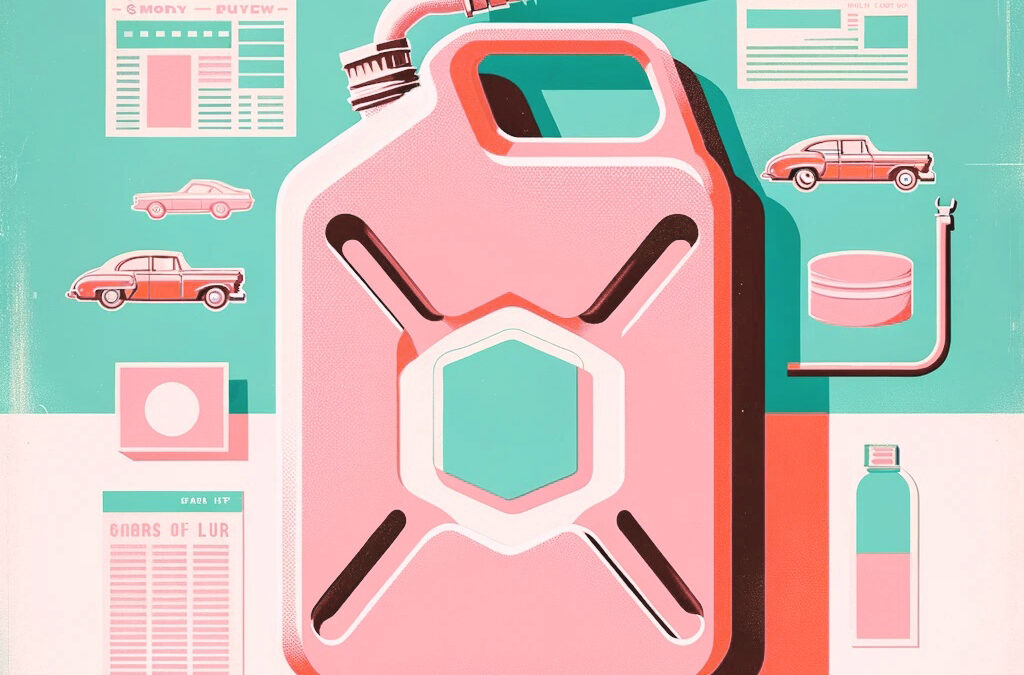
All the lawns on Mentone Avenue are mowed on Wednesdays. But this Wednesday, after unloading the lawnmower from the shed in the back corner of the yard, Grace walked into the garage to find her gasoline can empty. She lifted it and noticed the pool of liquid left behind. A small stream branched off and meandered down in gentle curves along the cement floor that slanted to the center of the room. Upon further inspection, she found a hole in the bottom of the red plastic, approximately the size of a ballpoint pen’s sharp end. She wondered how she could have missed this. Did she not notice a leak when she last filled the can? 

Grace shook the container with the hopes she could will it full again and when she had done this long enough to feel like an idiot, she walked around the back of the house and tossed it in the garbage. At the back door she crouched to untie her grass-stained tennis shoes. One end of the lace on her left shoe was beginning to fray, so she made an extra knot at the end to stop it from worsening. Maybe she would try burning the end when she got back from the gas station–a trick her mother taught her when Grace was young. “Don’t pull them,” her mother would caution. “You could unravel the whole thing.” Grace would pick at the fibers of her school shirts to free one and keep it safe all throughout the school day so she could bring it home to her mother and watch as she lit the strand. In an instant, the flash of light became a small glow, snaking up the thread and making it curl. Her mother asked once why her shirts had so many ratty hems and Grace told her they got caught in the chains on the swingset.

She eased open the back door and padded through the kitchen, checking the clock as she went. It was only 8am, she had plenty of time. Her socked feet lightly brushed against the carpeted stairs as she made her way to the bedroom. She stood in the middle of the room with the doors and windows open and changed out of her mowing clothes. Grace was used to peeling this outfit off her sweat-soaked skin and the ease of today’s undressing made her uncomfortable. She folded her sports bra, tank top, bike shorts, and white crew socks into small squares and placed them one next to the other in a neat line on the foot of her bed. The clothes looked exactly how she’d laid them out this morning. She had been brushing her teeth when she first plucked the items from their drawers. Looking at them now, Grace thought she could feel the tingle of spearmint in the backs of her gums. 

Back downstairs, in cuffed denim shorts and a fitted black t-shirt, Grace slipped her purse over her shoulder and grabbed her car keys from the cream ceramic dish on the foyer table. It took two tries for the engine to turn over and once it was on Grace secured her seatbelt and backed out of her driveway, heading west on Mentone Avenue. At the stop sign she made a right. The twelve minute drive to the gas station passed slowly in the quiet car. Grace did not drive with the radio on anymore. It was rare to find a station playing anything at all, and the stations she could find played the same song and made the same evacuation announcement. She preferred the silence. 

The line into the parking lot stretched out into the road and almost reached the corner. Grace had to jump the curb and drive over a few shrubs to get in. Abandoned cars sat angled and jammed at the pumps, nearly all with both the driver and passenger doors left open. One lime green bike was propped against the wall to the right of the entrance that sat with its lock hanging open. Grace pulled into a space tucked behind the corner of the building and shut off the car. She had to squeeze herself between the deserted cars as she made her way towards the convenience store. Through the front doors, just past the entrance, was a display of new gasoline cans and she grabbed one from the top. Grace checked it quickly for any defects. Then, as was her ritual, she walked along the aisles picking up one chocolate bar with almonds and one bottled water which claimed to have added electrolytes. The checkout counter was unattended. But just in case, she added money to the top of the growing pile of bills and change that sat in the center. 

Back in the parking lot, Grace tossed the chocolate bar in the center console and shoved the bottled water in her back pocket. Underneath her passenger seat she found the wound rubber hose on the floorboard. Originally she had thought to start with the cars at the pumps, but on her second trip it occurred to her she would want to use the oldest gas first. Gas, like everything else, had an expiration date as well. Since then, she had been working her way through the line of cars and today she would start with the truck perched at the entrance of the parking lot. It was an old blue pickup with rusted out wheel wells and ultraconservative stickers covering the bumper and the back window. Grace wondered where the driver was now. Surely they had been preparing for something like this. They must have had a stockpiled basement and a post-apocalyptic backpack, one bought at a sporting goods store then stuffed with supplies that the forums and podcasts assured would save them. Grace didn’t have a backpack. She would say she was lucky, but that didn’t feel like the right word. 

The red can sat on the ground at her feet and she flipped open the door to the gas tank. The rubber hose slid in smoothly. She fed it in until she felt the resistance of the tank’s bottom. Then she knelt on the hot asphalt and brought her face down close to the can. The first time she siphoned gas was years before all this happened. During a weekend at a secluded cabin, they needed gas to run a small fishing boat left neglected by her parents. She ended up spraying herself and her girlfriend, wasting nearly half a gallon on the ground before she was able to get the tube through the small opening on the top of the can. Now, though, she couldn’t afford to spill. There would be no laughter at spent gas on the ground. No one was here to kiss down her neck while she unbuttoned their shirt. They would not be able to undress each other, leave a trail of gasoline-scented clothing from the back door to the bathroom, and forget about the boat altogether as they become intertwined beneath a stream of hot water.

Grace crouched so that her cheek touched the top of the gas can before she sucked on the end of the tube. This is how she had learned to avoid spills and get the most out of every tank. What she had yet to master was not getting a mouthful of gas. Her timing was almost perfect but she pulled away a half second too late. Shoving the tube in, she spat on the ground then checked that gas flow was even. She took the water bottle from her back pocket and rinsed her mouth twice but lingering vapors still stung the back of her throat and she couldn’t get rid of the harsh chemical taste coating her mouth. The truck held only enough gas to fill a quarter of the can. After pulling out the hose, she picked up her can and moved up to the next car and repeated the process. The car in front was a silver minivan. On the back windshield was a sticker of a basketball with the number 9 and “Maddie,” and Grace did not let herself think about where the family was now.

Once the fuel reached the top of the can, Grace made a note of which car she was at. The flow was still strong when she stopped, so it seemed to her there was still enough left to make a second pass worthwhile on her next visit. She screwed the lid tight on the container and poured water on and through the hose in an attempt to keep the gas smell in her car at a minimum, although it had not been working so far. She loaded the can in the trunk then rewound the hose and placed it back on the floorboard. Grace climbed into the driver’s seat and found the chocolate bar in the center console. It was warm from the sun. The soft chocolate stained her fingertips as she peeled back the foil wrapper and broke off a corner piece. She let it melt on her tongue, savoring the creamy sweetness. Once she had sucked all the chocolate off, she slowly chewed the tender meat of the almond. While she ate she stared. Her gaze was fixed on the bike sitting against the painted brick wall in front of her. It had been weeks since it appeared at the gas station yet no one had come back to claim it. Grace took another piece of candy in her mouth and watched the bike stand motionless. 

When the bike first arrived, Grace had been flooded with hope and fear in equal amounts. It had been over a month since she’d seen another person and she wasn’t sure where they had come from or what they had come for. But she also knew now that she wasn’t alone. She’d grabbed a tire iron from her trunk before timidly walking towards the convenience store. The bell jangled slightly as she eased the door open. “Hello?” Grace held her breath and listened. After a moment she took another step inward and called again. “Hello? Is someone in here?” There was a light breeze coming through the blown out windows that rustled packaging around the store, but she didn’t hear breathing or footsteps. Grace made her way through the aisles but did not encounter the owner of the bike. For more than an hour that day she carefully inspected the perimeter of the store, searching for signs that anyone had been nearby. There were none. Grace walked back to her car and cried. 

No one was coming back for the bike. Grace finished the last piece of chocolate and licked her fingers clean. She folded the wrapper into a shiny silver square and stuck it in her pocket then opened her door and stepped out. The bike was lighter than she thought, presumably some advancement in frame material for better speed. She lifted it easily and the lock fell to the ground with a clatter as she hoisted the lime green bike up onto her shoulder. The gas can had to be removed before she could stuff the bike into her trunk. It laid with its front wheel twisted and wedged between the trunk’s floor and ceiling. There was a flat spot between the back wheel and the pedals so she packed the gas can back up and tried to shut the trunk, but the bike pushed back. She jumped a little and put all her weight on the lid but the trunk remained open. Grace took the gas can and instead placed it safely in the backseat. Then she climbed back in and started the engine on the first try. She watched the lid bounce as she drove back over the shrubs and the curb and out onto the road.

As far as she could tell the bike was still in her trunk as she made a left onto her street. Grace slowed and surveyed the yards on either side of Mentone Avenue. It had been raining lately and the lawns were growing quickly this week. It was unlikely they would all get mowed today. Every Wednesday for the past six years Grace joined the rest of the neighborhood in weekly lawn maintenance. She put on her sports bra and bike shorts and tank top, laced up her grass-stained sneakers and unloaded the mower from the shed in the corner of the yard. The first Wednesday after the explosions, the skies had been clear and the sun was shining so even though there were no more neighbors to mirror, Grace didn’t know what else she was supposed to do. It had been months since then and while she hadn’t hit every yard every week, it still got her out of bed. 

When she pulled into her driveway Grace instinctively hit the garage door opener, which had stopped working long ago, then put the car in park and walked up the drive. She bent down in a squat, grasped the base of the door, and threw it open. The bike felt heavier coming out of the trunk so after carrying it halfway, she chose to wheel it up the drive and into the corner of her garage. In the open shelving on the right wall, she found a small bungee cord and wrapped it through the handle of the gas can. She secured the container to the front of the bike frame then mounted it and rode small circles around her garage and down her driveway. It seemed that the can would not affect the steering. Down the driveway, she turned onto the sidewalks and rode over old gaping cracks in the cement then through the grass and off the curb, but she did not spill any gas. Grace turned to head back to her garage, storing the bike until her next trip to the gas station, but she found herself making a full circle and continuing out of the neighborhood. 

She began pedaling harder. As she gained speed, the wind blew her hair back and the air rushed into her lungs making it hard to catch her breath. Flying past the stop sign, her thighs burned as she worked the gears as fast as she could. Houses and unmowed lawns rushed past her and became a blur of siding and green. The avenue opened up. If she could just pedal hard enough, maybe she could make it to another place and find more bikes parked on mowed lawns. Grace pushed forward and let a blissful howl rip through the quiet. 

gas can illustration
About the Author

Genevieve Santos-Miller holds a BA in creative writing from Millsaps College. She is passionate about her local writing community and growing the reaches of literature. Genevieve is a founding member of Story Wars, a monthly impromptu writing competition hosted live in Cleveland, OH. She is also a regular on the Radio FreeWrite podcast as ‘Spud.’

Related

Let’s See

Let's See

Flash Fiction

by Amelia David

art: Samuel Horsley

Last night, you told me you wanted to adopt the orange cat that sits on our boundary wall. We made a list of names, researched litter box prices, and stocked up on antihistamines. The night passed without much fanfare, as usual, and in the morning, you’d gotten up before me. As always, you hadn’t shut the fridge door properly before bed, and the milk is sour.

Last week, you told me your parents no longer sleep in the same house. Every night, your mother rides her college bicycle to her parent’s house and sleeps in their garage with their dog at her feet, and your father paces the living room for two hours before bed. Their red and orange carpet is worn only in the middle and can now be folded exactly in half. You’ve kept this information a secret for months now. I feel betrayed that you didn’t tell me.

You’ve begun wearing an elastic band around your wrist, even though you shave your head over the bathroom sink every few days. You enjoy rubbing the smooth oval of your scalp; enjoy snapping your wrist with that band even more. Your skin is more elastic these days, too, and your movements are somehow slower, more balanced. I know you use my skincare products after you think I’ve fallen asleep. I just wish you would tell me, instead of trying to move around surreptitiously in the bathroom at two in the morning.

Lately, the banter has been trickling, dripping steadily, and I can sense its stopping nearing. Each morning at breakfast, we stand on opposite sides of the table, the bread bin filled with a seeded loaf in between us. You’ve begun to make stacks of pancakes, and you drink from a sweating glass of orange juice every day. You comment on how stale the air smells and how dry your tongue feels. In return, I comment on how there isn’t much left to say, but we’re determined not to let everything run dry.

I know you’ve been sneaking the cat in and keeping it on the balcony. Your tiny blue tooth speaker does little to drown its sorrowful mews out, and the white tiles reek of piss. It hisses at me when I slide the screen door open but nudges its triangle ears into your palm when it knows I’m watching you both from inside.

It isn’t a secret that you are keeping these things from me. I’m not sure why they’re badly hidden.

Tomorrow, when we wake up, I will pretend not to notice the unclean divot in my freshly opened jar of moisturizer. I will ignore that cat, eavesdrop on conversations about your mother’s depression, throw your elastic band out.

I will smile and eat a slice of bread, and when you ask me if I am alright, I will bare my teeth and say, “Let’s see.”

cat in the rain
About the Author

Amelia David is an avid fiction reader, a former English Literature student, and someone who hopes to break away from writing personal essays. Her works has been published in Roi Fainéant Press, Mag 20/20, Sage Cigarettes Magazine, and Livina Press. She drinks too much green tea and blogs occasionally.

About the Artist

Samuel Horsley is an artist and printmaker whose images range from loveably strange cats to macabre gods and ethereal monsters. During his Graphic Design degree at Central St Martins, he specialised in illustration and was influenced by the work of Goya, Švankmajer and Scarfe. He prints screens and linos at Hot Bed Press Studio and he instagrams as @idonthaveorgans

Related